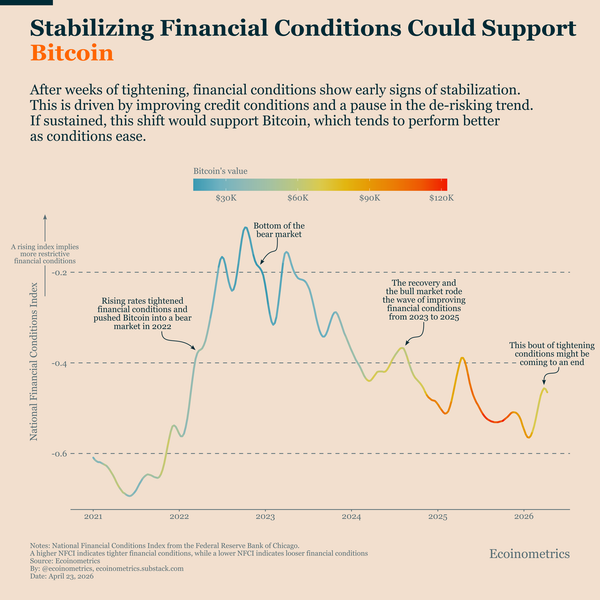
Stabilizing Financial Conditions Could Support Bitcoin
Financial conditions might have just stopped tightening. After weeks of deterioration, the NFCI is starting to stabilize, driven by improving credit conditions and a pause in de-risking.

Financial conditions might have just stopped tightening. After weeks of deterioration, the NFCI is starting to stabilize, driven by improving credit conditions and a pause in de-risking.
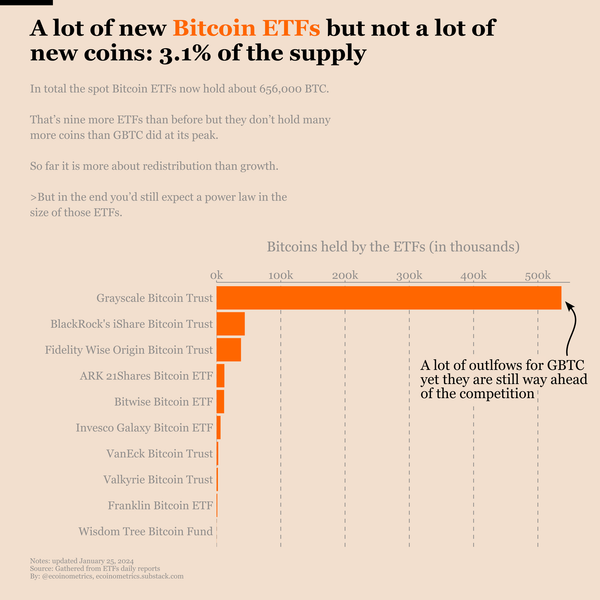
In just two weeks after their launch, new Bitcoin ETFs in the US are collectively holding approximately 656,000 BTC, signalling a significant shift in accessibility for average investors looking to diversify into digital currencies.
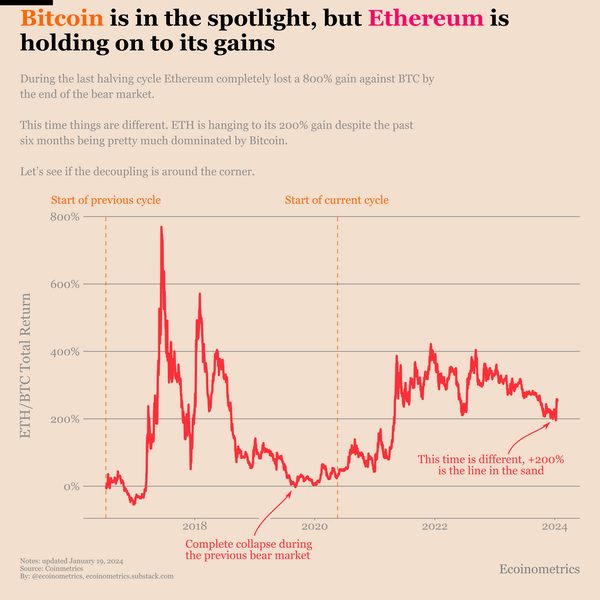
Bitcoin and Ethereum, despite different investment theses and risk profiles, remain highly correlated, but recent trends suggest a potential decoupling may be imminent.
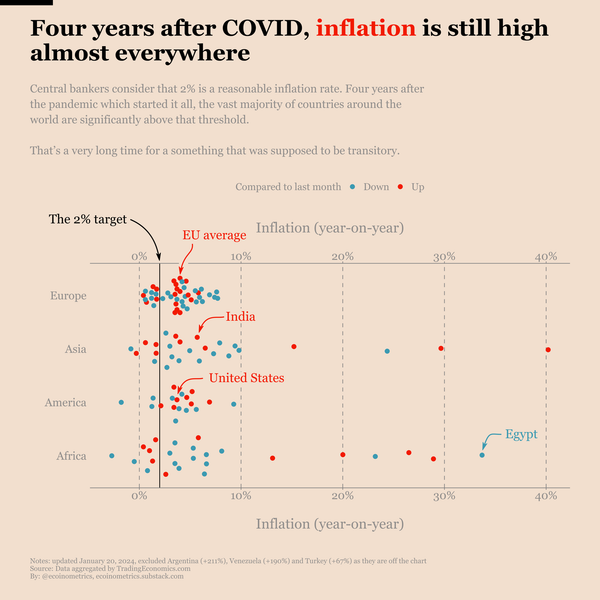
Inflation persists globally despite early predictions of it being transitory, challenging the understanding of economists and central bankers, as data shows many countries exceeding the 2% target.
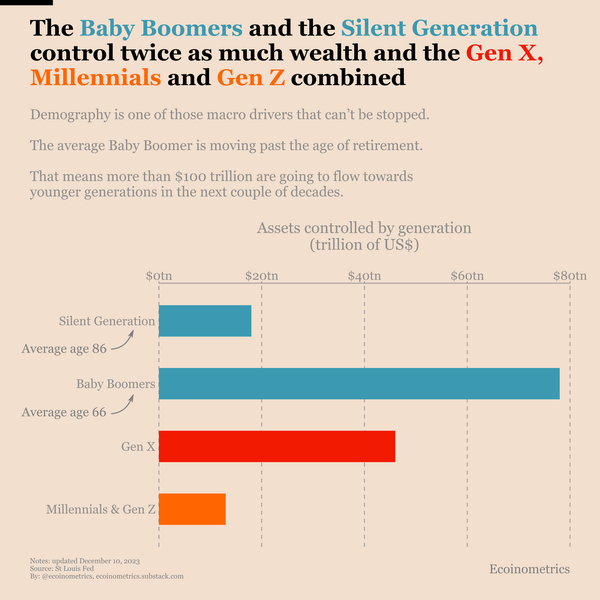
Explore how the impending $100 trillion generational wealth transfer could massively boost Bitcoin's value, and how Bitcoin ETFs are simplifying crypto investments for a new era.
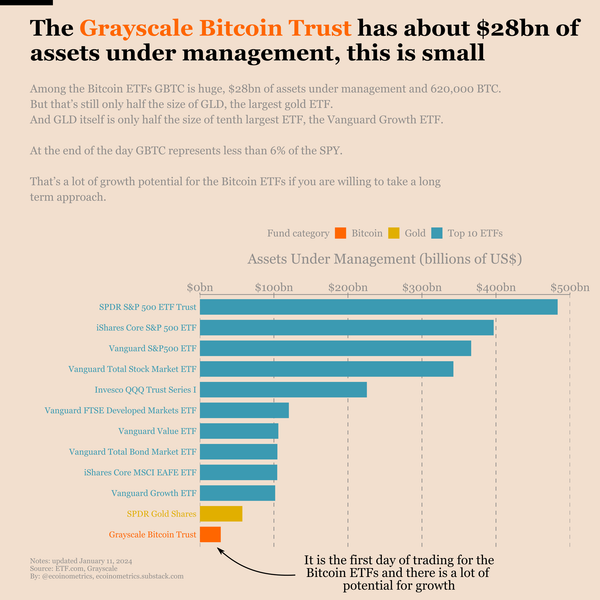
On the first day of trading for the new Bitcoin ETFs the potential for growth is huge.
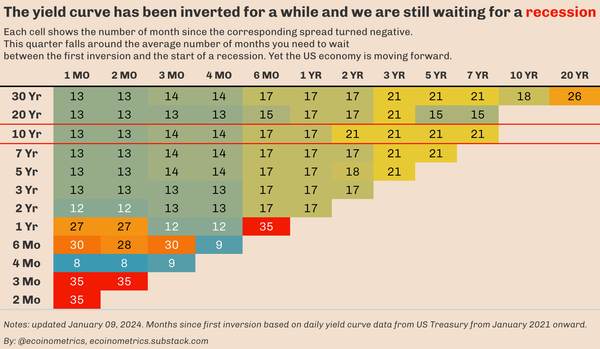
Despite Wall Street's optimism, the prolonged inversion of the yield curve signals a looming recession risk in the US, challenging mainstream economic expectations.
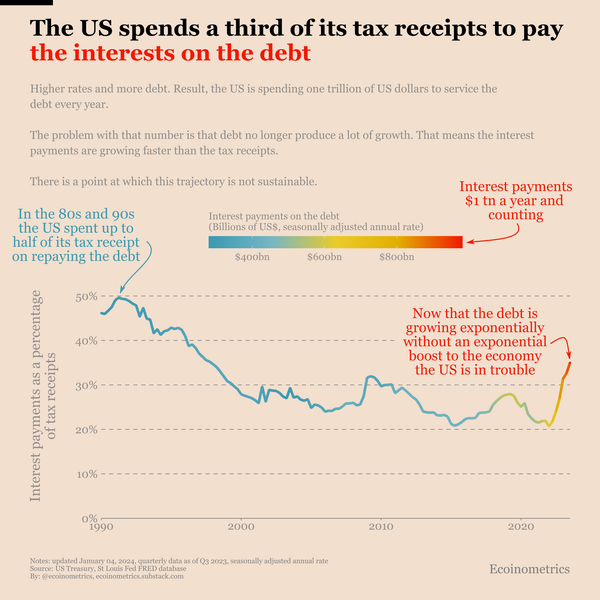
US teeters on a fiscal precipice, with a third of tax receipts swallowed by debt interest, mirroring a precarious past and an uncertain future.
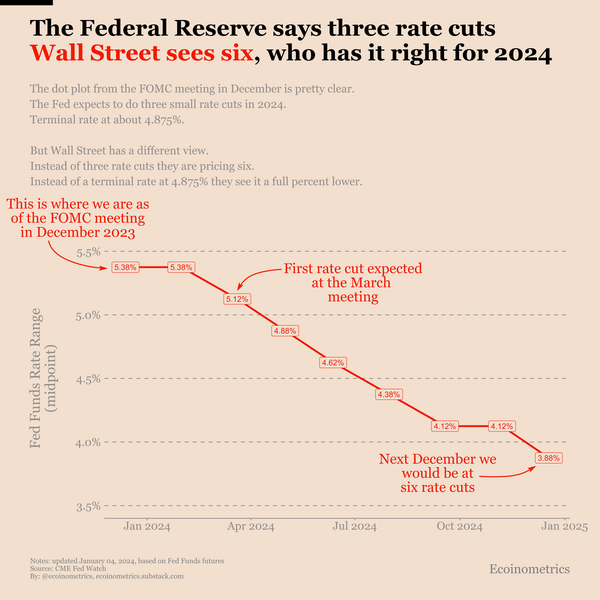
The US Federal Reserve cautiously eyes rate cuts amidst divergent Wall Street expectations and persistent inflation concerns.
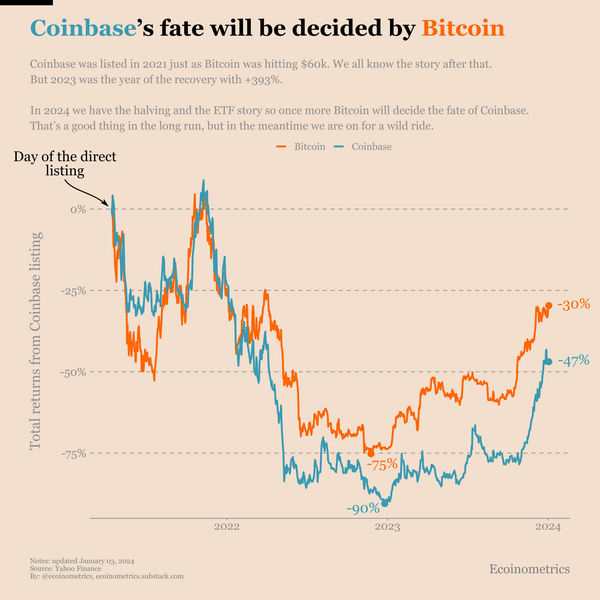
As the custodian for Bitcoin ETFs, Coinbase's fortunes wax and wane with Bitcoin's volatile market, presenting a high-risk, high-reward scenario for investors.
💡Last updated on May 25, 2024. Subscribe to the Ecoinometrics newsletter for more charts and insights on Bitcoin and MicroStrategy. Originally MicroStrategy is a business intelligence and software company. But after doing just that since 1989, in 2020 its founder and CEO Michael Saylor decided it was time for MicroStrategy
Adjusted for inflation a Costco hot dog combo should currently cost $4.28. Instead it is $1.5, the same price it has been since 1985. Costco isn't the only business who has chosen to keep prices stable against inflation, Arizona Iced Tea has been doing the same
inflation
Adjusted for inflation a can of Arizona iced tea should cost $2.16. Instead it is $0.99, the same price it has been since 1992. Arizona iced tea isn’t the only company who has chosen to keep prices stable against inflation, Costco has been doing the same with
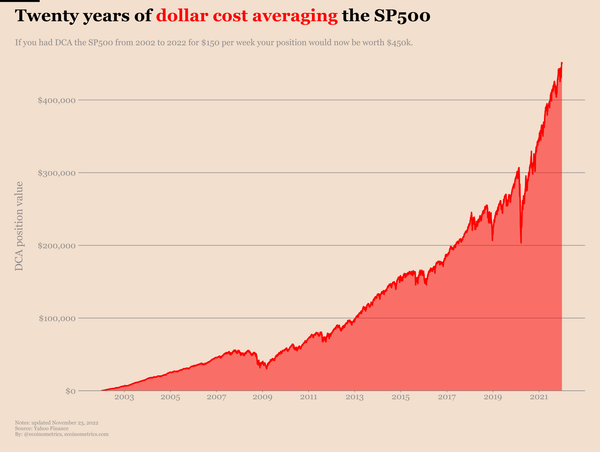
DCA
Can you make $1 million dollars with a strategy of dollar cost averaging the stock market? To answer that question we built a DCA calculator based on 100 years of data.
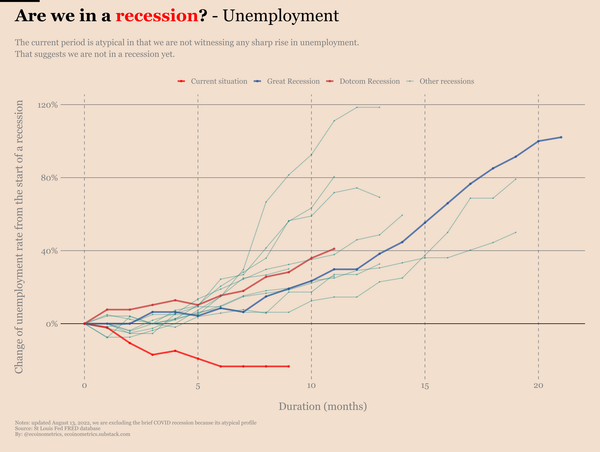
recession
There are two kinds of economic indicators: those that are forward looking and those that are lagging. The economists working at the Federal Reserve or in governmental institutions typically only care about the lagging metrics. That's why you often see a big discrepancy between the actual economic situation
investment strategy
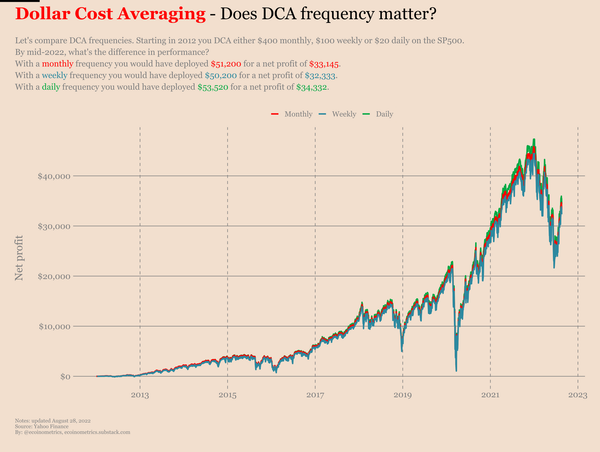
Dollar cost averaging is the idea of buying stocks or other assets at regular intervals to build a position. It is one of the most powerful and simple investment strategy for individual investors. Dollar cost averaging (or DCA) allows you to: * Build a position over time even if you don&
inflation
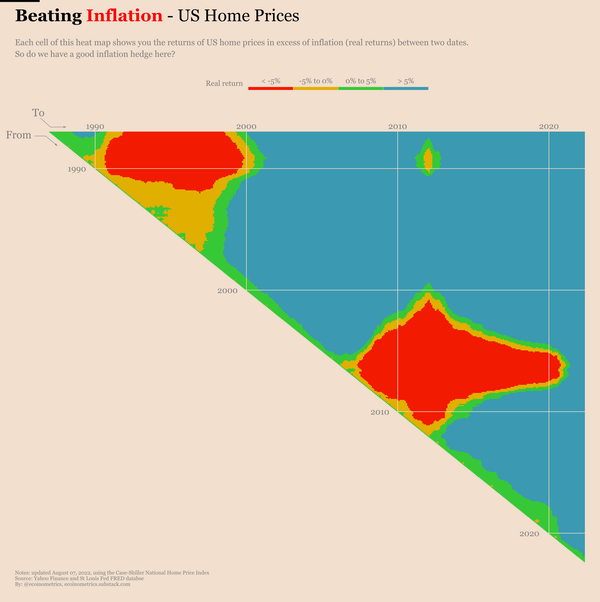
At 9% year over year, you can't afford to ignore inflation, you need an investment strategy. So what asset should you invest in to beat it?